

By Dianne Mathiowetz
September 1, 2026
The announcement of Dolly Parton’s death at age 80 on August 25, was shocking not only for her devoted fans worldwide but for the countless people who benefited from her well-known community development programs, such as the Imagination Library or Dollywood as well as less publicized financial contributions to Nashville’s Black community and COVID vaccine development.
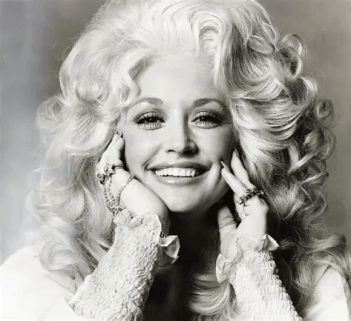

The lyrics to her songs resonate with so many who experience discrimination, disparate treatment, lack of respect and poverty. Her lyrics as well as her own life highlighted the importance of having confidence in yourself, as well as the value of family, friends and community.
She was a sassy, bold, exuberant woman with more flashy outfits, rhinestones and wigs who relished being herself without apology. How cool was that to women in particular but also to all those denied their humanity in the LGBTQIA2S+ and Black communities within a bigoted society?
She was an international star who supported Black Lives Matter, unions and workers, women’s and trans rights, and promoted peace and human dignity. She refused to accept the Presidential Medal of Honor twice from President #47 and once from President Joe Biden.
In the days since her death from cancer, countless statements have detailed her life with so many other performers of all kinds praising her kindness and the concern she exhibited over the decades of her career.
She kept her own personal life with Carl Dean, her late spouse of 59 years, out of the public eye despite relentless efforts by the press to get a sensationalized “scoop.”
Dolly Parton was not a conscious “political” person in the sense that a newspaper like Workers World would have covered to explain critical issues of imperialist aggression or racist terror.
But the International Action Center pays homage to her fundamentally innate social consciousness of the value of working and poor people. Many of her songs’ lyrics reflect that she was never ashamed of growing up in extreme poverty near the Great Smoky Mountains of Tennessee as one of 12 children living in a one-room shack. She made her home in Tennessee until she took her last breath. Her wealth came from her hard work and talent within a very sexist and exploitative industry. Dolly Parton was well- known for managing her own career and supporting other artists’ endeavors.
In a very early example of that independence, she turned down an opportunity to let Elvis Presley record her 1973 song, “I Will Always Love You,” because his manager, Colonel Tom Parker, demanded half the rights to it as part of the deal. She very much admired Whitney Houston’s 1992 rendition of this song. Dolly was a prolific songwriter with an estimated 3,000 songs to her credit. They are all part of her enduring legacy.
Dolly never had children, saying it was a conscious decision she never regretted. She has scores of nieces and nephews who all have stories of their own about her love and compassion. She often read books to children as part of her Imagination Library program that began in 1995 and continues today in the U.S., Britain, Ireland, Canada and Australia.
The fact that her father was illiterate motivated Dolly to launch this program which provides children one free book a month by mail from birth to their fifth birthday. One cannot even imagine the excitement of these children to get a book in the mail every month. To this day, the program has provided over 330 million books worldwide. Parton’s family has requested donations be sent to the Library to honor her memory.
And no review of Dolly Parton’s life can fail to talk about the social impact of the 1980 film, “9 to 5” and her Oscar-nominated, Grammy-winning song of the film’s name. The film focuses on office work as a mainstay of women’s employment where examples of overt sexism were the norm. This writer had many typical “women’s jobs” in offices, restaurants and stores where blatant sexist and discriminatory remarks and examples of male privilege were to be anticipated daily.
Dolly Parton’s example of determining her own path to achieve her goals while always providing a helping hand in solidarity with others is why she is a working- class heroine and deserves recognition. She will be beloved and admired now and for generations to come.
Monica Moorehead contributed to this article.


